
How Linc Combats Loneliness with Extra Care Services
As the warm, sunny weather seems to be here to stay, it’s that time of year where we meet up with family for BBQs, go on day trips with friends and have long walks on the beach. Summer is known to be the social season, however, this is the ideal expectation of summer, but for some, summer is a time of loneliness and anxiety. A survey from the Anxiety Centre found that 73% of participants reported having heightened anxiety in the summertime. This could be for a number of reasons, such as stress hormones rising with summer temperatures, sleep deprivation and of course, fear of missing out. As a result of these symptoms, some people find themselves becoming isolated from those around them and their feelings of loneliness become even more prominent.
June 12th –18th is Loneliness Awareness Week (LAW) which was created by leading loneliness charity, Marmalade Trust, to help build supportive communities through open conversations with family, friends and colleagues about loneliness. When asked to picture a lonely person, we might typically imagine an older or vulnerable person and although this isn’t always the case, people do tend to experience more feelings of loneliness as they get older and need more support. But feeling lonely is a completely normal emotion and is nothing to be ashamed of, we’ve been brought up to be social society, so when we lack human interaction that can make us feel lesser. Loneliness can look different from person to person and be triggered for different reasons, whether it’s missing your loved ones, feeling disconnected from the world or a general sense of emptiness, and this is why over 9 million people reported feeling lonely some or most the time. To help you better recognise when yourself or others are feeling lonely, here’s a list of symptoms to look out for:
- Low confidence
- Lack of focus and/or purpose
- Increased tiredness
- Feeling trapped or alone
- Easily frustrated
As we all know and experienced from Covid-19 lockdowns, vulnerable individuals were one of the most greatly impacted groups to suffer from loneliness and isolation in a bid to stay safe during an uncertain time. Even now, three years on from the start of the pandemic our Linc nursing home staff and Extra Care staff are always going above and beyond to ensure residents are never lonely and are surrounded by fun, laughter and companionship. We spoke with Hazel Davies, our RCT Service Manager at one of our independent living facilities, to get her insight into how loneliness is combatted within Linc Extra Care facilities.
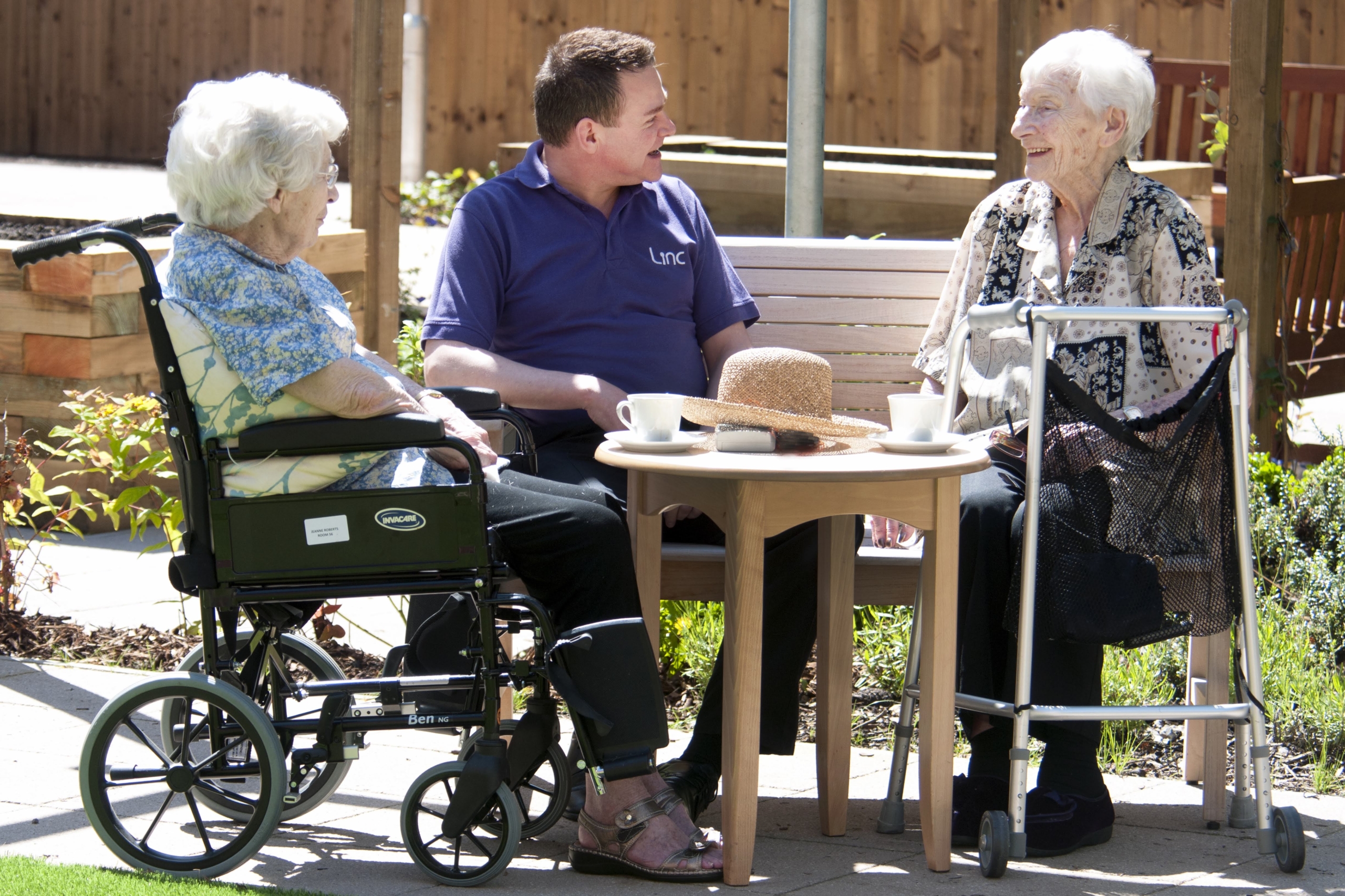
Linc Extra Care
It’s essential to us that all Linc colleagues across the entire organisation can recognise the signs of loneliness. It’s beneficial if we can recognise loneliness in ourselves, but sometimes we need the help of those around us to pull us out of it. As a service manager within one of our independent living facilities, Hazel has had a great deal of experience in aiding those who may be feeling lonely or isolated. Hazels explains: “Some of the signs someone is feeling lonely include:
- Wandering around more or asking for us to contact family and friends
- Disengaging more, isolating themselves from others
- Spending more time visiting the office or speaking to staff
- Neglecting themselves as they lose motivation
- Becoming tearful or upset
- Getting involved in disagreements with neighbours or staff
Where we identify this, we tend to make time to have a chat and make a cup of tea. Quite often, just talking about their life over a cuppa is enough to start a conversation about what events/activities are in the scheme and community or we can signpost to other agencies.”
As Hazel mentions, it’s all about making a connection and finding ways to help the individual so they can get back to being themselves. Hazel continues: “All staff from housekeeping to management have good relationships with residents. Staff will pop in to see residents who prefer not to attend communal areas for a chat, to help them with day-to-day tasks or to just make them a drink. Staff are encouraged to take time out of their day to speak to residents and engage in activities to build relationships. Staff will eat lunch with residents, take them into the garden for a walk or get involved in activities with them if they need a friendly face for support.” The friendship our Linc colleagues provide our Extra Care residents is vital to maintaining their happiness and giving them the confidence they need to pursue new friendships and try new things.
In Hazel’s particular independent living facility in RCT, there’s a plethora of activities and events for residents to get involved in to lessen loneliness and make connections with those around them, not just Linc colleagues. These activities include:
Intergenerational projects with local schools – pupils rotate on a six week programme which is made up of six themes:
- Family History/Getting to Know Residents
- Arts & Crafts
- Adapted sport
- Cooking, gardening and singalong with party dances to finish
Gardening projects – in Cwrt Yr Orsaf, we consulted with residents on what they wanted in the garden. This was then designed and installed by a gardening team with wraparound horticultural therapy sessions and education sessions for staff and tenants
Monthly cuisine days – the facility’s restaurant runs monthly theme days to give residents the chance to try different cuisines, this includes Indian, Chinese, Italian, Welsh, American, etc.
LGBT events – we celebrate LGBT history months through awareness raising sessions, information boards, pride parties, film showings, etc.
Seated exercise – occasional seated netball, yoga and exercise classes, these can be in person or via online platforms
Race nights – an occasional event where residents get the opportunity to dress up, place their bets and have a meal
College visits – college students attend for the day and run different activities such as art & craft, quizzes, bingo, gardening, etc.
Clothing/gift sales – external providers are invited in to sell items to residents who may not be able to access community/online
Christmas – events range from Elf Day with afternoon tea, Christmas party, breakfast with Santa, etc.
Other themed events – events may be held for Halloween, Fathers/Mother’s Day and Valentine’s Day where the building /restaurant is decorated and special menus created
Hair & beauty – mobile hairdressers, massage therapists and beauty therapists can use the on-site salon to provide services to tenants. Chiropody and physiotherapy services are also available
Cinema – film afternoons with snacks and treats
As you can see from this extensive list, there truly is something for everyone at our independent living facilities. But we don’t put pressure on residents to jump straight into socialising and trying our activities and events. Hazel elaborates, “We introduce all new residents to the staff and generally the more involved residents who organise activities within the scheme. In one scheme, we introduce them to the committee who inform them about activities, lunches, etc.” The interpersonal connections the residents make with staff and fellow residents help to ease them into life at our independent living facilities and it gives them the boost they need to combat loneliness and isolation. Feelings of loneliness aren’t uncommon amongst those in independent living facilities, but as part of our Extra Care services we always do our best to ensure every resident is happy, social and building friendships. Hazel recalls a time when her team helped a resident break free from loneliness. Hazel says: “A gentleman who is registered blind moved into Extra Care and found attending the communal areas very difficult due to wayfinding issues and embarrassment around making a mess with his food. After a few weeks of just delivering his meals to his flat, it became very clear that he was lonely as he was getting upset, stating that he didn’t want to live and said that he was lonely.
Housekeeping staff took over the delivery of his meals and would stay for 10 minutes to prepare him a cup of coffee and make sure he had items within reach. They would ask if he needed support with anything and report this to managers so we could signpost to agencies who could help. They also helped with unpacking shopping and making sure items were put in the same place each week so he could find them. The staff also helped to support him into the lift and out into a taxi, pointing out objects that he could use to find his way.
He now has regular visits from the staff which he enjoys and is able to access the community areas without the need to hold onto staff, giving him more freedom and enjoyment as a result.”
Small acts of kindness, such as the ones performed by staff in Hazel’s story, show how easy it is to help someone who’s feeling lonely break the cycle and get back to being themselves. Loneliness in older or vulnerable people can often lead to a reduction in motivation and result in self-neglect. This can worsen health conditions which may then result in increased hospital admissions or GP callouts. Loneliness in simple terms can be a killer and can have a detrimental impact on people’s mental and physical wellbeing. Hazel elaborates: “Loneliness can be hard to resolve, particularly where there have been prolonged periods of feeling this, as we saw during the pandemic. It can take a long time to engage with older people who have lost motivation and enjoyment from life as they’ve come to accept that they are on their own and have lost confidence.” However, as shown through Hazel’s stories, this is something Linc Extra Care strives to prevent through meaningful connections, resident engagement and motivation.
Our independent living facilities, Extra Care services, nursing homes, as well as our regular customer services, always aim to put residents’ happiness first and foremost so they can have the best experience possible when staying with us. For more information on how Linc can support you, get in touch for a chat.
