How Linc Combats Loneliness with Extra Care Services
Summer is known to be the social season, however, this is the ideal expectation of summer, but for some, summer is a time of loneliness and anxiety.

Summer is known to be the social season, however, this is the ideal expectation of summer, but for some, summer is a time of loneliness and anxiety.
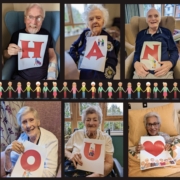
Earlier this month, nursing homes across the UK celebrated Homestead’s national awareness week, You Can Care Week. This is a week dedicated to recognising the amazing work of carers, whether that’s in the private or public sector or adult and young carers, this week is all about their incredible efforts to help others. It’s also about helping others to find their pathway into a career in care and highlighting that anyone, no matter their age, background or gender, can be a carer.
We believe it’s really important to celebrate all healthcare workers, especially since recent shortages in the sector has meant those in care must work extra hard to ensure everyone’s happiness and wellbeing – they truly are the unsung heroes of today and we want to change that!
In fact, during the last few months, we’ve amazingly seen an increase in the number of young people interested in joining the care sector and asking questions such as: ‘What do you need to work in a nursing home’ and ‘Can you work in a nursing home at 16?’ We also recently announced our higher education opportunity for senior nursing care assistants, and we’re so pleased to see that this has struck a chord with young people across South Wales.
So, we want to clearly showcase to those wondering what it’s like working in a nursing home, what experience you need and what type of people work in care so there’s no more ambiguity. And since it was recently National Careers Week, what better time to find out if care is the career for you!
First things first, you’re probably wondering what experience and qualifications are needed to work in a nursing home. Care can seem like a pretty daunting sector to go into as you’re responsible for the health and wellbeing of multiple people, some of whom are vulnerable individuals. Therefore, many people automatically assume that high grades, formal qualifications, and years of experience are needed to even be considered for a care position, but that’s not entirely true.
There are actually a number of ways you can start your career in care, this could be with a qualification, such as a university degree, but a college course or apprenticeship is also more than adequate. If you were thinking of taking a college course to help when you do look for a care role, one of the following would be suitable:
And the entry requirements for these courses typically look like this:
So as you can see, college care courses are fairly accessible to everyone, no matter the results they received in school.
However, higher education isn’t the only route you could take towards a career in care, simply volunteering and gaining experience in that way is also incredibly useful. You can volunteer in caring roles from the age of 16 and in several different caring facilities, such as a care home, charity, hospital or hospice. Or you could just directly apply to a job in care and be trained on the job, although this may seem intimidating at first, learning on the job is one of the best ways to gain experience as you work with carers from varying backgrounds and experience levels.
But don’t just take our word for it, here are what some of our Linc colleagues who work in our nursing homes had to say about their background and experience in care:
Maggie Scott – House Manager at Abbeyfield, Llanfairfechan
“You don’t need a degree to do this job. I haven’t got a degree, although my training was in catering and obviously, that’s helped me the cooking side. You just need a wide variety of people skills.”
Jade Frias – Deputy Manager at Ty Coch
“Linc helped me grow by providing myself and colleagues additional training, mentoring sessions, and involving us in projects and tasks to enhance our knowledge and skills.”

As you can see, Linc and most other care providers will happily take on those looking for a career in care without any formal training or degree and we’ll help you to learn and progress your career as a carer. Just as Maggie put it, the most important thing is that you have a genuine care for others and that you have a variety of people skills; care can be a very difficult job sometimes, both for the carer and the people they care for, so being able to put a smile on someone’s face and uplift their spirit is a skill that is just as important as any formal qualification.
The carer community at Linc are the truest representation of what it’s like to work in a care home: they go above and beyond for the people they care for and always support each other through the peaks and troughs that come with the job. And in true Linc fashion, the team down at Penylan House couldn’t miss the opportunity to celebrate You Can Care Week and show the team just how much they mean to those they care for.
Take a look at the video the lovely residents of Penylan House made for our carers:
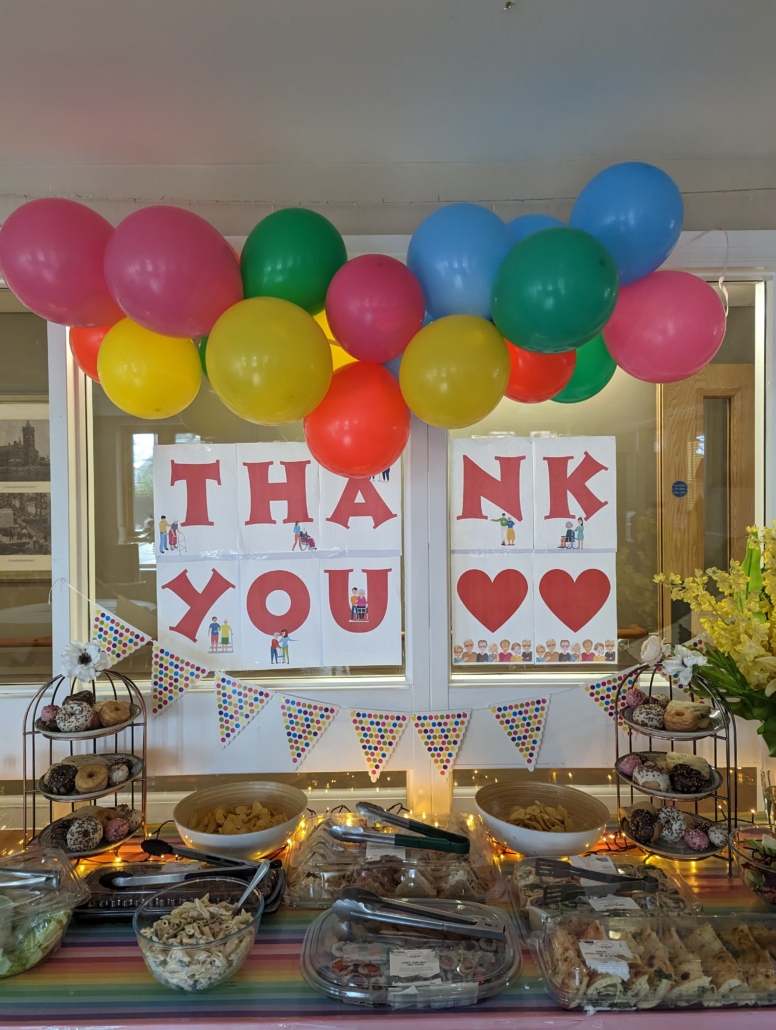


The residents and staff alike had a wonderful time celebrating You Can Care Week, and just as the name tells us, anyone can have a career in care, it doesn’t matter if you’re straight out of school or if you’re leaving a sector of 20 years looking for a meaningful change, you can care.
Here at Linc, we’re all about people, whether it’s our amazing customers or our colleagues, so we always ensure to provide the best care and support to both groups. We pride ourselves on recruiting and retaining the very best people and our care colleagues have a range of experience between, but what brings them together is their passion to help others. We work as a team and together we drive forward our ideas and innovation to truly improve the lives of others.

One of the ways in which we do this is through our Extra Care Schemes, we’re the largest provider of extra care housing in Wales and provide the opportunity for people to live as active and as independent lives as possible.
So, whether you’re looking for a care role in one of our nursing homes or one of our independent living facilities, you’ll be a part of a team that makes a huge impact on their customers’ lives, helping them to live to the fullest each and every day.
For more information on our Linc Nursing Homes as well as our current vacancies, get in touch for a chat.

Providing high quality care for residents starts with having the right team.
At Linc we believe in creating the right environment for people to flourish. This purpose is reflected in how we care for people and how we nurture the talents and aspirations of our colleagues.
As the nursing home sector experiences a shortage of nurses, Linc has taken matters into its own hands and developed a career progression route for its Senior Nursing Care Assistants (SNCAs).
The approach sees Linc fund an 18–month course, the equivalent of the first year of a nursing degree. Once complete, participants can enrol on the second year of a nursing degree at a local university.
The SNCA role was established in 2019 and its existence has seen a number of Linc’s Care Assistants progress in their careers, by taking on this more senior role with additional responsibilities.
Louise Nash first joined Linc as a Care Assistant in 2017, before being promoted to a SNCA in 2021, she said:
“As a SNCA I have more nursing responsibilities, including doing dressings, giving medications, and carrying out observations. I liaise with GPs and other medical staff, and the other carers at Capel Grange can come to me for advice.
“The opportunity to do the nursing qualification was offered out to SNCAs, so I was interviewed to do the training and was successful. This first part is academic and takes place online and the second part is practical.
“I haven’t studied since leaving school, but I’ve adapted to working and studying simultaneously and I’m enjoying the online learning.
“I love caring for people and I want to progress in my career so the opportunity to train as a Nurse was one I jumped at. It’s even more rewarding to be able to carry out my training at Capel Grange alongside my colleagues and the wonderful residents.”
The new higher education initiative aims to bring ongoing professional and personal benefits to SNCAs interested in qualifying as nurses. But the approach will benefit nursing home residents too.
By ensuring Linc can provide career progression opportunities, the nursing homes can better retain their talented staff, leading to continuity of care and ongoing high standards.
Edgar Bautista, Head of Nursing at Linc said:
“We recognise the talent and commitment of our colleagues, and it is important to us that we retain our best people and offer them opportunities to progress in their careers.
“This approach to further education is enabling our colleagues to qualify as nurses while working and receiving a salary.
“We are delighted to have enrolled three SNCAs on the course last October. All three are impressing us with their commitment to their education while continuing to work hard in their SNCA roles.”

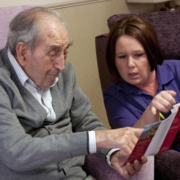
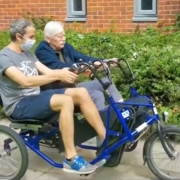
Taking action against loneliness is important for everyone. But loneliness can be a particular concern for our residents.

Activities to keep the mind active is an important part of overall health and well-being. It helps protect you from mental health problems like depression and anxiety.